DPO vs. CISO: Key Differences and Their Importance Under the DPDP Act 2023
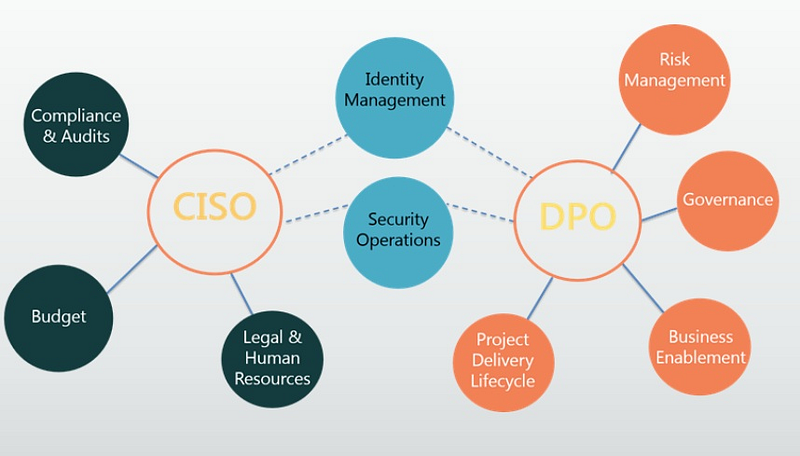
The roles of Data Protection Officer (DPO) and Chief Information Security Officer (CISO) are critical in an organization, particularly regarding data privacy and security. However, they have distinct responsibilities and focus areas. Here are the key differences between the two roles, including aspects related to the Digital Personal Data Protection (DPDP) Act 2023.
Data Protection Officer (DPO)
Primary Focus:
- The DPO is primarily concerned with ensuring that the organization complies with data protection laws and regulations, such as the GDPR (General Data Protection Regulation), DPDP Act, and other privacy laws.

Responsibilities:
- Compliance and Legal: Ensuring that the organization adheres to relevant data protection laws and regulations.
- Data Protection Impact Assessments (DPIA): Conducting DPIAs to identify and mitigate privacy risks associated with data processing activities.
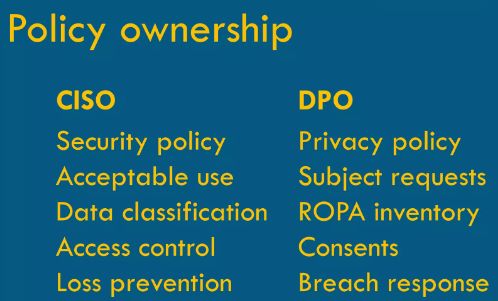
- Privacy Policies and Practices: Developing, implementing, and overseeing data protection policies and practices within the organization.
- Training and Awareness: Conducting training and raising awareness about data protection and privacy within the organization.
- Data Subject Rights: Facilitating the exercise of data subject rights, such as the right to access, rectify, or delete personal data.
- Reporting and Communication: Reporting to senior management and, where necessary, to regulatory authorities on data protection issues.
- Breach Response: Managing and responding to data breaches, including notification to regulatory authorities and affected individuals.
- DPDP Act Compliance: Specifically ensuring compliance with the DPDP Act, including the management of consent, data processing principles, and addressing any data protection grievances.
Skills and Background:
- Typically, a DPO has a background in legal, compliance, or data protection, with expertise in privacy laws and regulations.
Chief Information Security Officer (CISO)
Primary Focus:
- The CISO is primarily focused on the overall security of the organization’s information systems, protecting against cyber threats, and ensuring the confidentiality, integrity, and availability of data.

Responsibilities:
- Information Security Strategy: Developing and implementing an information security strategy aligned with the organization’s goals and objectives.
- Risk Management: Identifying and mitigating risks related to information security and cyber threats.
- Security Policies and Procedures: Creating and enforcing security policies, procedures, and standards across the organization.
- Security Operations: Overseeing security operations, including monitoring, incident response, and threat detection.
- Security Technologies: Implementing and managing security technologies such as firewalls, intrusion detection systems, encryption, and access controls.
- Compliance: Ensuring that the organization meets information security-related compliance requirements, such as ISO/IEC 27001, PCI-DSS, or industry-specific regulations.
- Incident Response: Leading the response to security incidents and breaches, including investigation, containment, remediation, and reporting.
- DPDP Act Support: Supporting the DPO in ensuring that the technical aspects of DPDP Act compliance are met, such as implementing security measures to protect personal data.
Skills and Background:
- Typically, a CISO has a technical background in information security, IT, or computer science, with expertise in cybersecurity, risk management, and security technologies.
Comparison: DPO <> CISO

DPDP Act 2023 Specifics
- DPO: Responsible for ensuring that all aspects of the DPDP Act are followed, including obtaining and managing consent, ensuring data processing principles are adhered to, and addressing any grievances related to data protection.
- CISO: Ensures that the organization’s information systems are secure and support the DPDP Act’s requirements for protecting personal data, including implementing necessary technical safeguards and supporting the DPO in compliance efforts.
While both roles are essential for protecting an organization’s data and ensuring compliance, the DPO is more focused on data protection laws and the privacy rights of individuals, including specific responsibilities under the DPDP Act. The CISO is focused on the overall security of information systems and protecting against cyber threats, including supporting compliance with the DPDP Act. Both roles often work closely together to ensure comprehensive data protection and security within the organization.


Comments
Post a Comment