Ensuring Data Privacy in Indian Hospitals: Navigating the DPDP Act 2023 with Fourteenth Degree Azimuth (India) Advisory
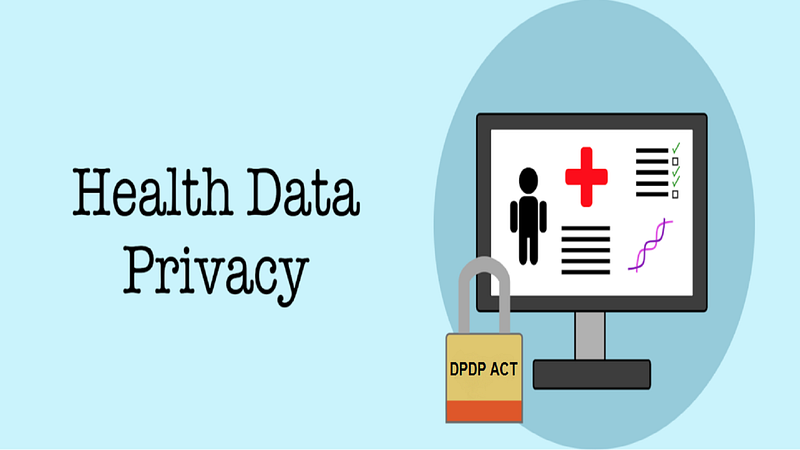
In the digital era, hospitals transcend their traditional role as centres of healing to become vast repositories of sensitive personal and health data. With the increasing adoption of technology-driven solutions — such as Electronic Health Records (EHRs), telemedicine platforms, and integrated patient management systems — the imperative to protect patient data has never been more critical. The introduction of the Digital Personal Data Protection (DPDP) Act 2023 in India underscores this necessity, compelling the healthcare sector, particularly mid-sized hospitals, to adhere to stringent data protection standards. Compliance is not only a legal obligation but also a cornerstone of maintaining patient trust and operational integrity.
Why Compliance with the DPDP Act 2023 is Crucial for Hospitals
The DPDP Act 2023 enforces rigorous guidelines on the collection, processing, and storage of personal data. For hospitals, this encompasses handling highly sensitive information, including medical histories, treatment plans, diagnostic data, and financial records.
- Protecting Patient Trust Patients entrust hospitals with their most sensitive information, expecting confidentiality and security. Compliance with the DPDP Act ensures that this trust is honored, reinforcing the hospital’s reputation as a safe and reliable healthcare provider.
- Mitigating Legal and Financial Risks Non-compliance with the DPDP Act can result in substantial penalties, with fines reaching up to INR 250 crore for significant violations. Additionally, data breaches can lead to costly lawsuits and damage the hospital’s financial stability and public image.
- Enhancing Operational Efficiency Adopting a privacy-centric approach as mandated by the DPDP Act can streamline data handling processes, improve security measures, and enhance overall operational efficiency. Efficient data management is pivotal in delivering high-quality patient care and making informed, data-driven decisions.
- Aligning with Global Standards Early compliance with the DPDP Act positions hospitals to align with international privacy frameworks such as the General Data Protection Regulation (GDPR) and the Health Insurance Portability and Accountability Act (HIPAA). These regulations are considered global benchmarks for data protection, and adherence to them can facilitate international collaborations and ensure comprehensive data security.

Consequences of Non-Compliance
Failure to comply with the DPDP Act 2023 can have severe repercussions, including:
- Data Breaches: Unauthorized access to sensitive patient information can compromise patient safety and lead to significant legal and financial consequences.
- Financial Penalties: Hospitals may face hefty fines and legal costs, which can strain financial resources and impact operational capabilities.
- Reputational Damage: Loss of patient trust due to data breaches or non-compliance can result in a decline in patient numbers and harm the hospital’s reputation in the long term.
How Fourteenth Degree Azimuth (India) Advisory Can Assist Hospitals
At Fourteenth Degree Azimuth (India) Advisory, we specialize in delivering comprehensive data privacy and security solutions tailored specifically for the healthcare sector. Our expertise ensures that mid-sized hospitals can seamlessly navigate the complexities of the DPDP Act 2023 and align with international standards like GDPR and HIPAA. Our range of services includes:
- Initial Assessment & Gap Analysis We conduct thorough evaluations of your current data protection practices to identify compliance gaps and areas for improvement.
- Data Mapping & Inventory Our team meticulously maps the flow of personal data within your organization, ensuring all processing activities are documented and compliant with the DPDP Act.
- Data Protection Impact Assessment (DPIA) We assess the risks associated with your data processing activities and recommend measures to mitigate these risks, ensuring legal compliance and minimizing breach potential.
- Policy Development We develop and implement robust data protection policies that align with the DPDP Act, covering data handling, processing, and retention protocols.
- Implementation of Security Measures From encryption to role-based access controls, we recommend and assist in deploying technical and organizational measures to safeguard personal data.
- Data Subject Rights Management We establish mechanisms to facilitate the exercise of data subjects’ rights, including access, correction, deletion, and data portability.
- Training & Awareness Programs Regular training sessions ensure that your staff are well-versed in data protection principles, the DPDP Act, and your organization’s specific policies.
- Data Breach Response Plan We develop comprehensive response plans for detecting, reporting, and managing data breaches, minimizing their impact on your organization.
- Regular Audits & Compliance Reviews Continuous audits and compliance reviews help maintain adherence to the DPDP Act and prepare your organization for future regulatory changes.
- Appointment of Data Protection Officer (DPO) We assist in appointing or designating a DPO to oversee data protection strategies and compliance efforts, ensuring ongoing adherence to data privacy regulations.
Our Expertise
Our team comprises seasoned professionals with extensive experience in data privacy and information governance:
- Mr. Sujeet Katiyar: An entrepreneur, healthcare technology expert, and lawyer with over 25 years of experience in regulatory compliance, digital healthcare, and advanced computing. His expertise spans telehealth, EHR, healthcare analytics, and data protection, including proficiency in the DPDP Act 2023, GDPR, and HIPAA.
- Mr. Suneel Bandhu: A former senior executive with the Tata Group, bringing a wealth of experience across diverse businesses and industries, including healthcare and IT.
- Mr. Yadu Singh: An assessment expert and management consultant with a global footprint. With a background from the Rotterdam School of Management and Harvard Business School, he has over 20 years of experience in IT for Healthcare, focusing on optimization and GDPR compliance.
The DPDP Act 2023 represents a significant advancement in data privacy regulation in India, particularly impacting data-rich sectors like healthcare. Compliance is not merely a regulatory requirement but a fundamental aspect of patient care and trust. Fourteenth Degree Azimuth (India) Advisory is dedicated to guiding hospitals through this complex landscape with tailored, end-to-end solutions that ensure robust data privacy and security practices. By partnering with us, hospitals can safeguard patient data, enhance operational efficiency, and build a foundation of trust and reliability.


Comments
Post a Comment