Top 10 Data Breaches in India's Healthcare Sector: A Wake-Up Call for Data Security
In recent years, the healthcare sector in India has witnessed a significant number of data breaches that have compromised the sensitive information of millions of patients. These incidents have highlighted the urgent need for stronger data protection measures within the industry. Below is a detailed overview of the top 10 data breaches in India’s healthcare sector, exploring their causes, impacts, and lessons learned.
1. Apollo Hospitals ls Breach (2021)

- Year: 2021
- Reason: Vulnerability in third-party software.
- Impact: The personal details of over 12 million patients were exposed, including names, addresses, phone numbers, and medical records.
- Damages: Reputational damage and potential misuse of personal information.
- Avoidance: Regular security audits and strict scrutiny of third-party vendors could have mitigated this breach.
2. COVID-19 Test Data Leak (2020)
- Year: 2020
- Reason: Misconfiguration of a government database.
- Impact: Over 1 million COVID-19 test results, including sensitive personal information, were exposed online.
- Damages: Increased risk of identity theft and fraud.
- Avoidance: Proper configuration of databases and encryption of sensitive data would have prevented this breach.
3. HealthifyMe App Data Breach (2021)

- Year: 2021
- Reason: Hacking by cyber-criminals.
- Impact: Health data, including dietary habits and health records of 1.5 million users, was leaked.
- Damages: Potential misuse of health data for targeted scams or blackmail.
- Avoidance: Implementing stronger cybersecurity measures and regular vulnerability assessments could have thwarted the attack.
4. Breast Cancer Patients’ Data Leak (2021)
- Year: 2021
- Reason: Inadequate security protocols.
- Impact: Data of breast cancer patients, including medical histories and personal details, were leaked on the dark web.
- Damages: Emotional distress for patients and the potential for discrimination.
- Avoidance: Robust data protection policies and patient data anonymization could have reduced the risk.
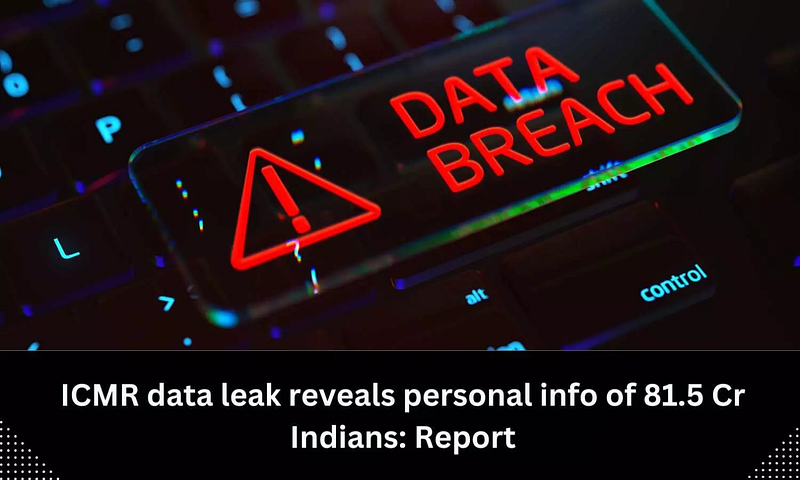
5. Indian Council of Medical Research (ICMR) Breach (2022)
- Year: 2022
- Reason: Cyberattack on government servers.
- Impact: Exposure of research data and personal details of patients involved in medical studies.
- Damages: Compromise of sensitive research information and breach of patient confidentiality.
- Avoidance: Enhanced security infrastructure and real-time monitoring could have averted this breach.
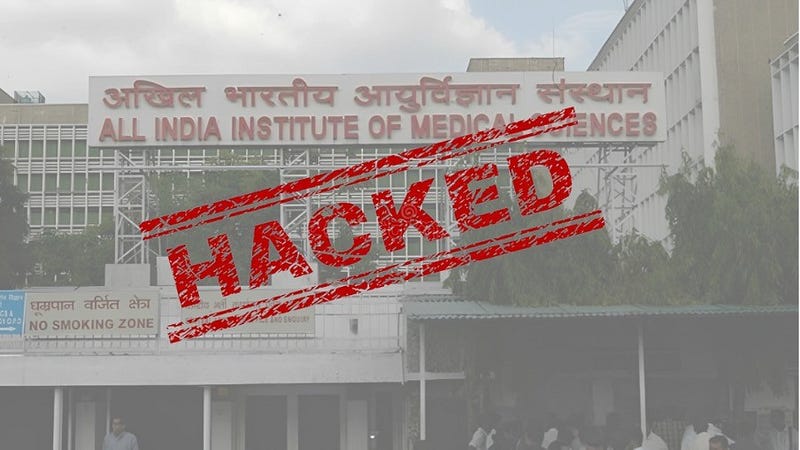
6. AIIMS (All India Institute of Medical Sciences, New Delhi) Ransomware Attack (2020)
- Year: 2020
- Reason: Ransomware attack by cybercriminals.
- Impact: Disruption of hospital services and encryption of patient data, demanding a ransom for decryption.
- Damages: Operational disruptions and potential loss of patient data.
- Avoidance: Regular backups and employee training on phishing could have minimized the impact.
7. Swasthya Slate Data Leak (2018)
- Year: 2018
- Reason: Inadequate data protection in health apps.
- Impact: Exposure of medical records of patients using the Swasthya Slate application.
- Damages: Breach of patient privacy and risk of data misuse.
- Avoidance: Stronger encryption and regular security assessments of mobile health applications could have prevented the leak.
8. Practo o Data Breach (2017)

- Year: 2017
- Reason: Hacking of the healthcare platform.
- Impact: Compromise of user credentials and personal health data.
- Damages: Potential identity theft and unauthorized access to health records.
- Avoidance: Multi-factor authentication and regular security patching could have prevented the breach.
9. Manipal Hospitals Breach (2019)

- Year: 2019
- Reason: Insider threat.
- Impact: Unauthorized access to patient records by a disgruntled employee.
- Damages: Loss of patient trust and legal ramifications.
- Avoidance: Strict access controls and monitoring of insider activities could have mitigated the risk.
10. Government Health Portal Breach (2020)
- Year: 2020
- Reason: Lack of adequate security on the government’s health portal.
- Impact: Exposure of millions of health records and personal information of citizens.
- Damages: Risk of large-scale identity theft and exploitation of personal data.
- Avoidance: Implementation of advanced security protocols and regular audits could have secured the portal.
Conclusion
The healthcare sector is increasingly becoming a target for cyberattacks, primarily due to the high value of personal health information on the black market. The incidents highlighted above serve as a reminder of the critical importance of cybersecurity in healthcare. Organizations must invest in robust security measures, conduct regular audits, and train employees to mitigate the risk of data breaches.
Awareness and proactive action are key to preventing future breaches and protecting the sensitive information of millions of individuals. The DPDP Act is a step in the right direction, but its effectiveness depends on the commitment of healthcare providers to implement and enforce these regulations. The costs of a data breach — financial, reputational, and emotional — are far too great to ignore.


Comments
Post a Comment